
Letterbox cakes by post are the UK's tidiest way to send somebody a proper piece of cake: a slim box, built to the size of a large letter, that slides through the door with the ordinary post so nobody has to be in. Mine start at £18 a box, they are baked to order in Peterborough, and they post anywhere in the UK by Royal Mail 1st Class, with postage added at checkout. This guide answers everything I get asked about letterbox cakes by post in the UK: what fits through the slot, which cakes survive the journey and which never could, what it costs, how long it keeps, and how to send one as a gift without anybody finding the receipt.
I bake alone, in small batches, from a registered home kitchen in Peterborough, using generational recipes. I learned at my gran's side from about twelve, in a kitchen that catered birthdays and weddings, and I was taking my own orders at fifteen. When I chose what could go in a letterbox, I picked bakes that arrive at their best rather than ones that merely survive the trip. Everything below follows from that one decision.
What is a letterbox cake?
A letterbox cake is cake packed flat into a box slim enough to travel as a large letter and fit through a standard UK letterbox. It arrives with the post, the way a birthday card does, so the person receiving it never signs for anything or waits in for a courier.
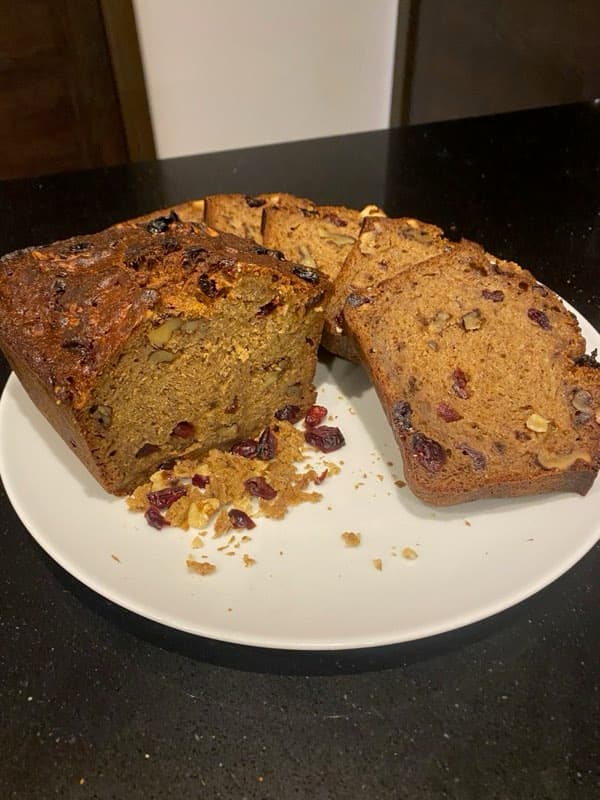
The name covers a few shapes. Some bakers press a small round sponge into a shallow tin. Some post a single slice in an envelope. Mine are thick-cut slices of loaf cake, brownies, cookies and mixed treats, laid side by side in one layer in a rigid slim box. I think that is the honest version: real slices of real cake, cut to fit the slot, rather than a cake squashed to look like a card.
What every good letterbox cake shares is the format's one big promise. The present is on the doormat when they get home. No missed-delivery card, no trip to the depot, no hoping a neighbour happened to be in.
Can you send cake through the post in the UK?
Yes. Cake can be sent through the post in the UK, and dense, sturdy bakes travel well by Royal Mail. The rules that matter are practical ones: the box has to fit the size and weight limits of its service, and the bake has to keep happily at room temperature for the journey.
For a letterbox cake the service is a large letter. Royal Mail says a Large Letter can be up to 35.3cm long, 25cm wide and 2.5cm thick, and weigh up to 750g. Every letterbox bake I make is worked backwards from those numbers, the 2.5cm above all. It is why my cakes are sliced rather than sent whole, and why the slices lie side by side instead of stacked.
Speed is the other half. Royal Mail's 1st Class service aims to deliver the next working day, Saturdays included. The word to notice is aims: it is Royal Mail's target rather than a promise, which is why I bake for the day you choose and post in good time rather than cutting it fine.
What you should never post is anything that needs a fridge. Fresh cream, custard and cheesecake belong on a cake stand, not in a sorting office.
Will a letterbox cake fit through every letterbox?
Nearly every one. A box built to Royal Mail's 2.5cm large letter thickness clears an ordinary UK letter plate. Building guidance for new homes in England even sets an upper limit on the slot: Approved Document Q says letter plates should have a maximum aperture of 260mm x 40mm. The slot on a modern front door is kept small on purpose, so a letterbox cake has to be built smaller still, and mine are.
The exceptions are the doors you already know about: a stiff double draught brush, a decorative slit that has never seen a magazine, or a block of flats where the post goes into a locked pigeonhole. If you suspect the person has one of those, choose DPD at checkout instead, and the box arrives as a courier parcel on the day you pick.
(if their letterbox has eaten birthday cards before, trust your instincts and pick the courier)
Which cakes post well, and which never should?
Dense, moist bakes with a firm crumb post well: loaf cakes, brownies, blondies, cookies and rich fruit cake. Light sponges, anything with fresh cream, and delicate decoration do not. The simplest test is to ask whether the bake would be just as good, or better, on day two.
A dense loaf cake passes easily. Staling is not only a matter of drying out: Britannica notes that the crumb can firm even without any appreciable drying, and that the firming is most noticeable in bread and other low-density, lean bakes. A rich, buttery loaf or a fudgy brownie sits at the opposite end of that scale, which is exactly why they are the backbone of any good letterbox range.
Brownies are the finest travellers baking has ever produced. They are dense by definition, they lie flat without complaint, and plenty of people will tell you the second day is the better one. Cookies come a close second, as every biscuit tin a grandparent ever posted will confirm. Rich fruit cake is the old master of keeping, which is why a soaked fruit cake was the original posted cake long before anybody said the word letterbox.
The bakes that fail are the ones built for a same-day fork: tall sponges, piped fresh cream, glossy mirror glazes and sugar flowers. That is no flaw in them. They simply want a careful car journey and a cake stand rather than a postbag.
What letterbox cakes can I send from Sploffin?
Five boxes go through the letterbox all year round, each £18, and the Christmas boxes join them for the season. Every one is baked to order, packed flat in a single layer, and posted anywhere in the UK. The whole range lives on my letterbox gifts page; this is what is in each box.
The letterbox lemon cake is four thick-cut slices of lemon loaf, with fresh zest creamed into the batter and a lemon glaze soaked in while the loaf is still warm. It is sharper than it looks and better on day two, and it is the one I suggest for the tea drinker who claims not to have a sweet tooth. I wrote a whole guide to the Letterbox Lemon Cake if you would like the detail.
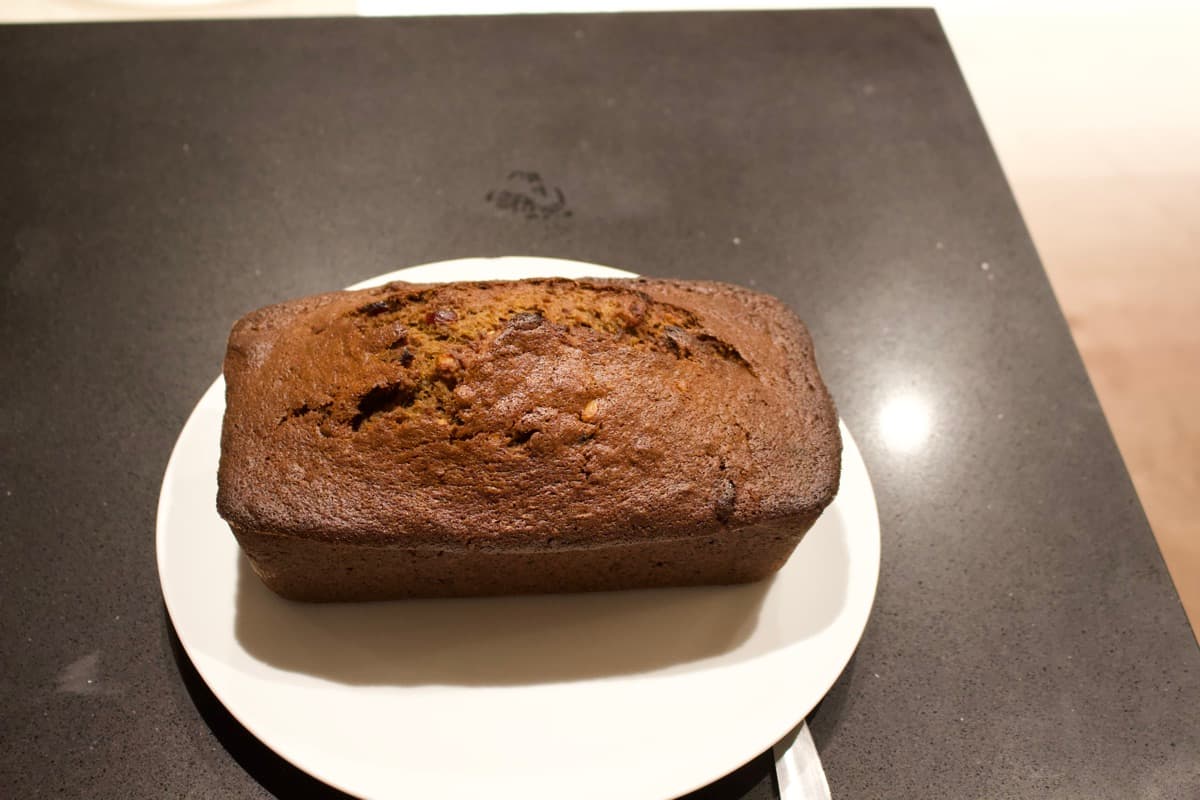
The banana bread by post is four thick slices of banana bread with walnuts, dense and moist because the fruit keeps giving water back to the crumb for days. It does contain walnuts, so it is one to check before you send.
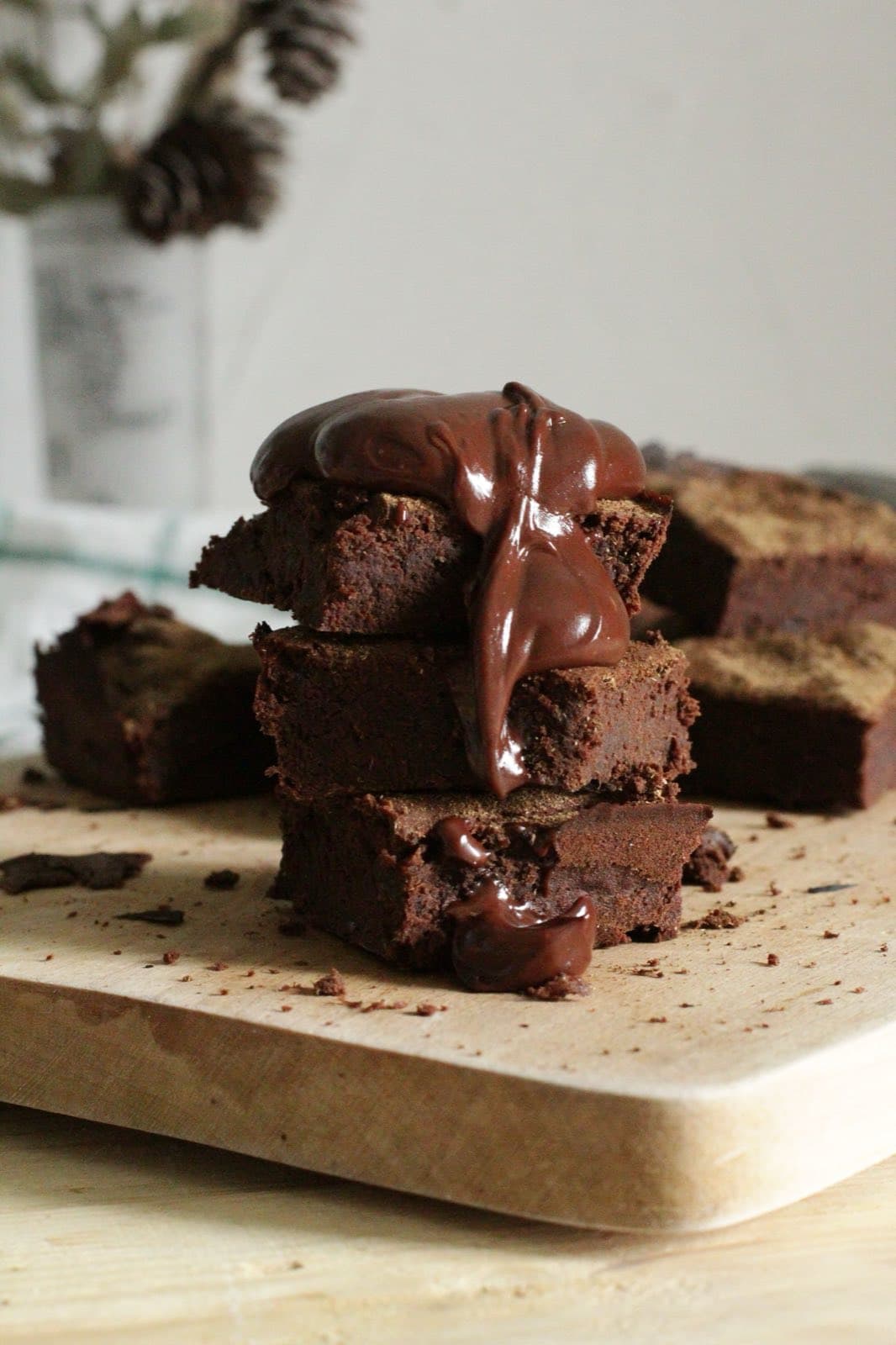
The letterbox brownies come six to a box for £18, or twelve for £32, in six kinds: plain, double chocolate, triple chocolate, blondies, white chocolate blondies, and caramel and sea salt. Choose one kind, or two and the box goes out half and half. The dozen is heavier than a large letter allows, so it travels as a Royal Mail parcel instead, still anywhere in the UK. Why brownies travel so well has a guide of its own: letterbox brownies by post.
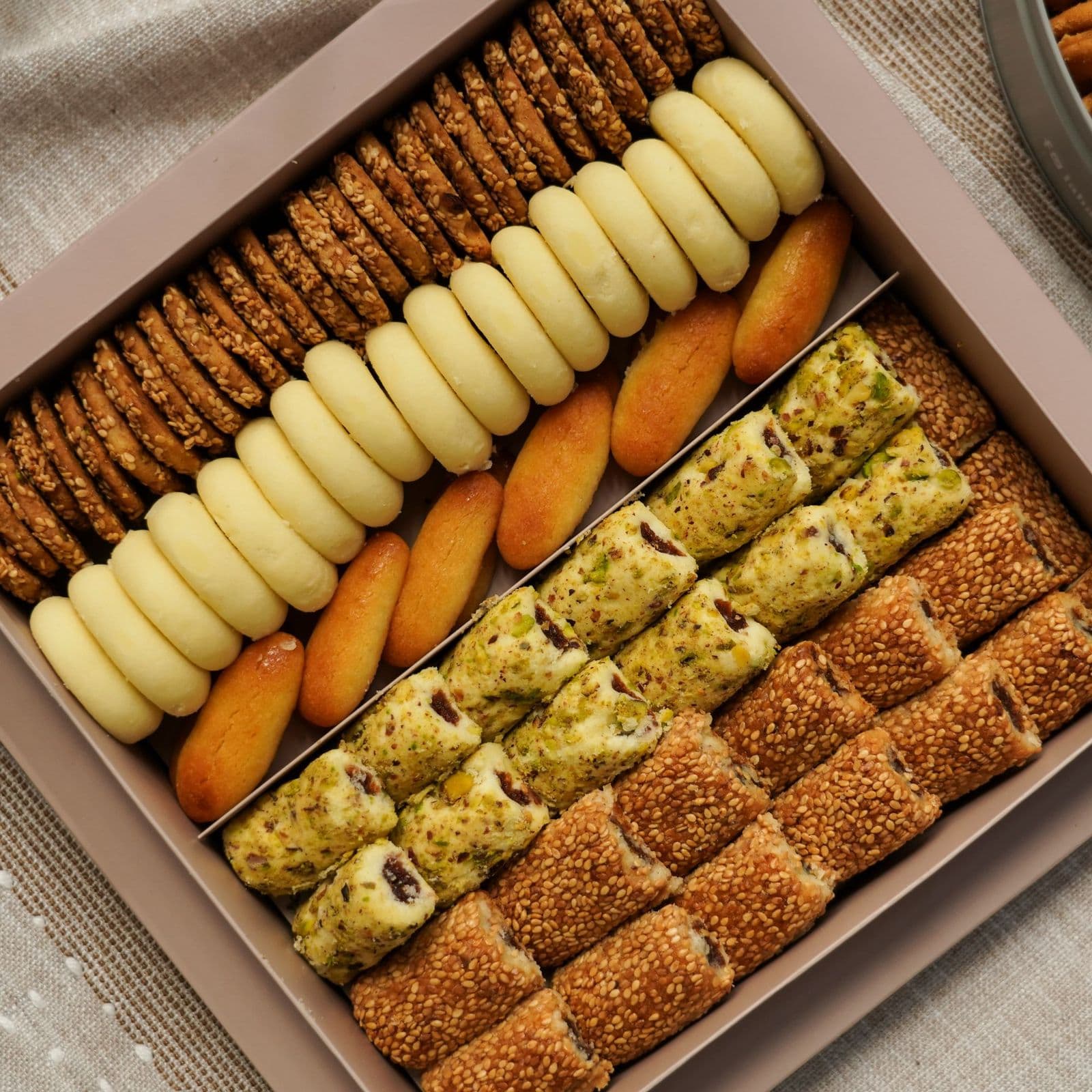
The letterbox cookies are six to a box for £18, or twelve for £34, in five kinds: butter, butter pecan, chocolate chip, double chocolate, and oatmeal and raisin. All one kind, or half and half of two. The butter pecan contains pecans, and the label says so plainly.
If you cannot decide, the letterbox treats box is twelve pieces, cake slices and brownies, for £18. Tell me the split and any flavour the person would walk straight past, and I will pack around it.
For Christmas, orders open on 1 October and close on 18 December, and the festive boxes are posted from 1 November. The Jamaican rum fruit cake slices are four thick slices for £23, from fruit soaked for months in Jamaican rum and cherry brandy. The lemon cranberry pound cake is four slices for £18, and there are three Christmas cookie boxes at £18 each. The story of the rum cake is in my Christmas fruit cake guide, and every festive box is in my guide to letterbox Christmas gifts.
One honest gap: my vegan cakes are not posting yet. They are baked for local orders for now, and the vegan letterbox gifts page will say when that changes.
Ready to choose? Start on the letterbox gifts page, open the box you like, pick the day you would like it to land and add your message for the card. Postage is added at checkout, and collection in Peterborough is free.
Which letterbox cake should I send?
Match the box to the person rather than the price, because every regular box is the same £18. For a traditionalist, the lemon loaf. For a chocolate loyalist, the triple chocolate brownies. For someone who claims to be cutting down, the butter cookies, which are short, buttery and somehow never last the afternoon.
For the friend who always orders the strangest thing on the menu, caramel and sea salt brownies, or butter pecan cookies. For a household with arguments about flavour, a half and half box settles it before it starts. For anyone you know very well, the treats box, with a note telling me what they would leave on the plate.
Think about the moment too. Letterbox cakes by post are at their best when distance is the obstacle: the grandparent you cannot visit this month, the friend who moved to the other end of the country, the colleague who has just started somewhere new. They ask nothing of the person receiving them. They do not even have to be in.
How much does it cost to send a cake by post?
A letterbox cake from me costs £18 a box plus postage, and Royal Mail 1st Class postage for a large letter is £3.60 a box. So a box of lemon loaf, banana bread, brownies or cookies lands on a doormat anywhere in the UK for £21.60, and you see the full price at checkout before you pay.
The heavier boxes cost a little more to post. The brownie and cookie dozens and the whole rum fruit cake go as a Royal Mail 1st Class small parcel at £5.45. If you would rather use a courier, DPD next day is priced by weight from £6.95 for a box up to 2kg, to mainland UK, and it puts the boxes for one address into one parcel, with Christmas bakes travelling on their own date.
Sending to several people? Each address is its own order, with its own card and its own postage, so every box arrives looking like it was meant only for them.
Does someone need to be in to receive a letterbox cake?
No, not when it goes by Royal Mail. A regular letterbox box travels as a large letter, so it goes through the door with the ordinary post and waits on the mat for whoever lives there. Nobody signs, nobody waits in, and the surprise survives all the way to the doormat.
The dozens are too heavy to count as large letters, so they go as small parcels, and DPD is a courier service that delivers on the day you choose. If the whole point is that nobody has to be home, a regular box by Royal Mail is the one to pick.
Can I choose the delivery day?
Yes. At checkout you pick the day you would like it to land, even months ahead for a birthday, and I bake for your date and post it in good time. By Royal Mail, that date is the day I aim for and Royal Mail sets the exact day. By DPD, it arrives on the day you pick, to mainland UK.
For the big dates, order early. I bake alone, in small batches and in limited numbers, so the earlier you order, the more choice of date you get.
How long does a letterbox cake stay fresh?
Every box carries a best-before date on its label, so the answer for your box is printed right on it. The bakes I post are the kind that keep: dense loaf slices, brownies, cookies and soaked fruit cake are chosen precisely because day two and day three are good days.
On UK labels, best before dates relate to quality, while use by dates relate to safety. So the date on my label tells you how long the cake will be exactly as I meant it. Keep it in its box or an airtight tin, somewhere cool and out of the sun, and rewrap anything you have opened. A radiator shelf is not a pantry, however welcoming it looks in January.
Can I send a letterbox cake as a gift with a message?
Yes. Add your message at checkout and I hand-write it on a card that goes in the box, free. There is never an invoice or a price inside a gift, so the person opening it gets the cake and your words, not the receipt.
Letterbox cakes by post suit the presents that are hard to hand over in person: a birthday for a friend who moved away, a thank you to a teacher, a get well soon, a congratulations on the new job, a quiet thinking of you after a hard week. The checkout offers those openings as one-tap starts for your message, in case a blank card makes your mind go blank.
It is also a format that fits how people already shop. More than a quarter of retail sales in Great Britain now happen online, according to the Office for National Statistics' internet sales series, and a proper cake you can order from your phone and send to any door fits that habit rather neatly.
Sending one now? Choose a box on the letterbox gifts page, pick the landing day, write your message and leave the rest to me. Postage is added at checkout.
Is it safe to buy cake from a home bakery?
It should be, provided the bakery is registered and inspected, and you can check both. Food businesses, including those run from home, have to register with their local authority, and the government's guidance is plain: you are required to register at least 28 days before trading. Registration is free, so there is no good reason for a home baker to skip it.
Registered businesses are inspected and given a food hygiene rating. Under the Food Hygiene Rating Scheme, 5 is top of the scale, meaning the hygiene standards are very good and fully comply with the law. My kitchen is a registered food business with a food hygiene rating of 5, and the badge sits at the foot of every page on this site.
Then there are allergens. UK food law requires 14 allergens to be declared, and when food is sold online, allergen information has to be given before the purchase is completed and again when the food is delivered. Every box I post carries a full ingredient and allergen label. My kitchen handles all fourteen major allergens, nuts included, so nothing I bake can be guaranteed free of traces; if you are ordering for someone with an allergy, please read my allergen information first.
What should you look for in a letterbox cake baker?
Look for six things before you order letterbox cakes by post from anyone, me included. The bake should be made to order, not pulled from a warehouse shelf. The box should carry a dated label with full ingredients and allergens. The baker should be registered, with a hygiene rating you can see. You should be able to choose the day it lands. The postage should be shown before you pay. And a gift should arrive without the price inside.
The quieter test is the range itself. A baker who posts everything has not thought hard about the journey. A short list of dense, sturdy bakes tells you somebody tested what survives the post and left the rest at home, which is exactly what I did.
Letterbox cake or a full celebration cake?
Send a letterbox cake when distance is the problem and the gift is for one household. Choose a full cake when there is a party to feed and somebody can collect it. A letterbox box is a treat for one or a tea for two; it was never meant to be the centrepiece for thirty.
If the party is in or near Peterborough, a birthday cake in Peterborough with candles on it will serve the occasion better than anything a postman can carry, and collection is free. For a bigger table further afield, my cupcake boxes are twelve hand-piped cupcakes sent by DPD courier rather than through the letterbox. And if you are working out how much cake a crowd really needs, my guide to cake portion sizes does the arithmetic.
How do I order letterbox cakes by post from Sploffin?
Ordering takes a couple of minutes. Open the letterbox gifts page and choose a box. Add it to your basket, enter the address it should go to, and pick Royal Mail 1st Class or DPD next day. Choose the day you would like it to land, write your message for the card, and pay on Stripe's secure page. I bake it for your date, label it, pack it flat and post it.
A good letterbox cake is a small thing done properly: a dense bake, a slim box, a first class stamp and a few words in my handwriting on your behalf. Somebody you are fond of comes home, finds it on the mat, and the hallway suddenly smells of lemon or chocolate. Choose from my letterbox cakes by post and I will bake one for them.
Questions people ask
- What is a letterbox cake?
- A letterbox cake is cake packed flat into a box slim enough to travel as a Royal Mail large letter, no more than 2.5cm thick, so it slides through a standard UK letterbox. It arrives with the ordinary post, so nobody has to be in. Mine are thick-cut slices of loaf cake, brownies, cookies or mixed treats, £18 a box, baked to order in Peterborough.
- Can you send cake through the post in the UK?
- Yes. Dense, sturdy bakes such as loaf cake, brownies, cookies and rich fruit cake travel well by Royal Mail, provided the box fits its service. A letterbox cake goes as a large letter, up to 35.3cm by 25cm by 2.5cm and 750g. Avoid posting anything that needs a fridge, such as fresh cream, custard or cheesecake.
- How long does a letterbox cake stay fresh?
- Every box I post carries a best-before date on its label, so the answer for your box is printed on it. Dense bakes like loaf slices, brownies and cookies are chosen because they keep well and are often better on day two. Store the box somewhere cool and dry, away from radiators, and rewrap anything you open.
- Will a letterbox cake fit through my letterbox?
- Almost certainly. A letterbox cake is built to Royal Mail's large letter limit of 2.5cm thick, which clears an ordinary UK letter plate. The exceptions are stiff draught brushes, very narrow decorative slots and flats with locked post boxes. For those, choose DPD at checkout and it arrives as a courier parcel on the day you pick.
- Does someone need to be home for a letterbox cake?
- Not when it goes by Royal Mail. A regular letterbox box travels as a large letter, so it goes through the door with the ordinary post and waits on the mat. Nobody signs for it. The heavier dozen boxes go as small parcels, and DPD is a courier delivering on the day you choose, to mainland UK.
- How much does a letterbox cake by post cost?
- My letterbox boxes are £18 each, and Royal Mail 1st Class postage for a large letter is £3.60 a box, so a box reaches any UK address for £21.60. The brownie and cookie dozens and the whole rum fruit cake go as a £5.45 small parcel, and DPD next day starts at £6.95, priced by weight.
- Can I add a personal message to a letterbox cake?
- Yes. Type your message at checkout and I hand-write it on a card tucked into the box, free of charge. There is never an invoice or a price inside a gift, so the person opening it sees only the cake and your words. Each address is a separate order, so every person gets their own card.
Written by Sploffin, a small-batch bakery in Peterborough. Questions about an order? The FAQ answers most of them.